Parker Schmitz · 23 September 2026
Navigating Content Architecture Shifts to Maintain Organic Reach in Evolving Niche Ecosystems
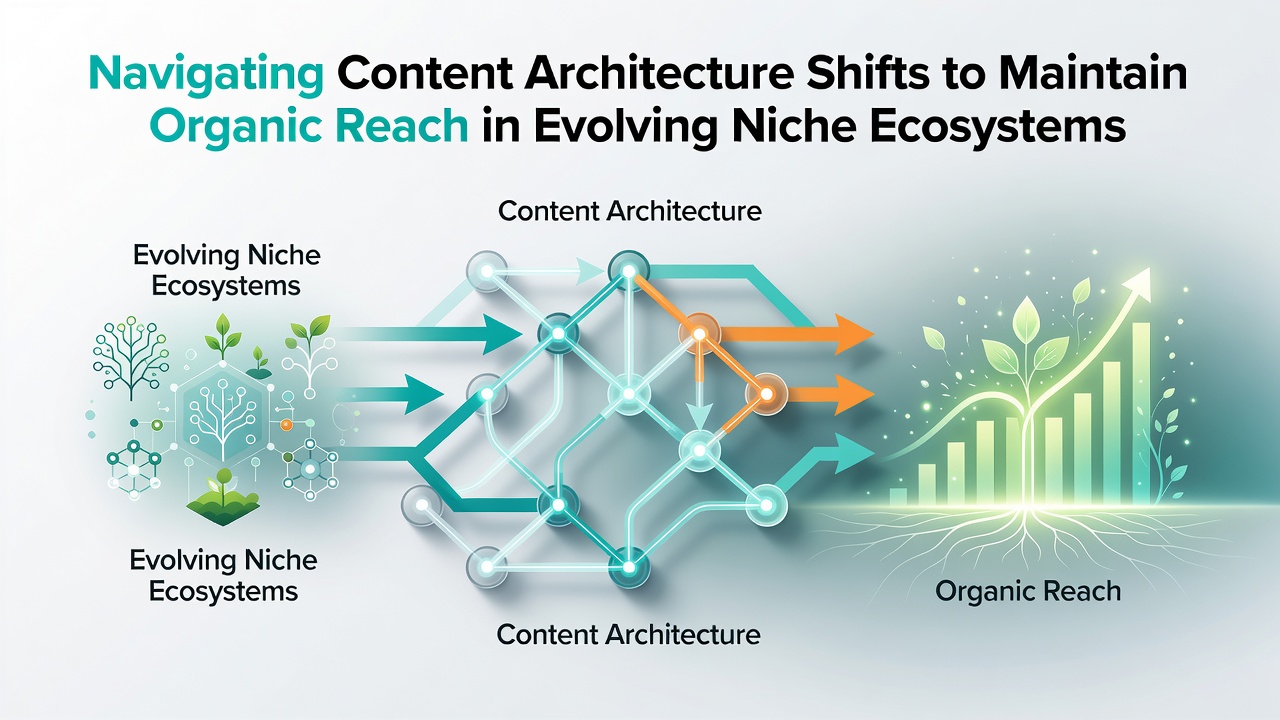
Content architecture refers to the structural organization of information on websites and digital platforms, and researchers have documented how shifts in this structure influence organic reach within specialized online communities. Data from multiple industry reports indicate that niche ecosystems such as hobbyist forums, vertical e-commerce sites, and topic-specific content hubs experience frequent adjustments driven by search engine algorithm updates, platform policy changes, and user behavior patterns. Those who study digital marketing note that these modifications often require site owners to reorganize categories, internal links, and metadata hierarchies while preserving topical relevance and crawl efficiency.
Core Drivers Behind Architecture Changes
Search engines and social platforms release iterative updates that alter how content gets indexed and surfaced, and evidence from tracking studies shows these updates cluster around core web vitals, entity recognition, and semantic clustering. In evolving niche ecosystems, where audience segments remain tightly defined around specific interests, a single architecture adjustment can shift visibility metrics by double-digit percentages according to aggregated analytics from various research institutions. Observers note that September 2026 projections from several analytics firms anticipate further refinements in how platforms evaluate topical authority, which may prompt additional restructuring in areas such as product categorization and knowledge graph integration.
Platform policies also contribute to these shifts because regulatory frameworks in different regions impose requirements on data handling and content transparency. Figures from the European Commission on digital markets reveal increased scrutiny of recommendation systems, while parallel guidance from the Australian Competition and Consumer Commission emphasizes fair access for smaller publishers. Site operators therefore face pressure to adapt navigation menus, sitemap structures, and schema markup simultaneously, and studies indicate that proactive reorganization correlates with steadier traffic retention compared with reactive approaches.
Practical Adjustments in Site Structure
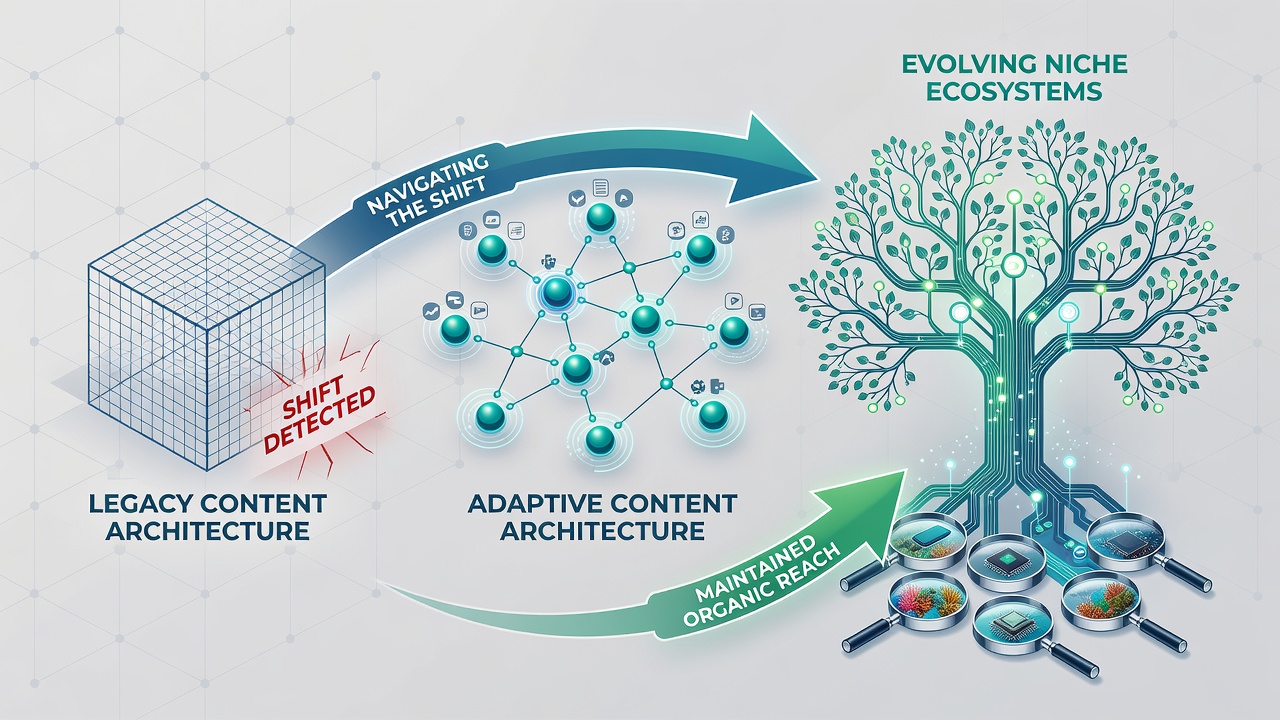
Experts have outlined several architecture tactics that maintain organic performance during transitions. One approach involves flattening deep category trees into more balanced hierarchies so that key pages remain within three clicks of the homepage, and data shows this reduces crawl depth issues while preserving keyword clustering. Another method focuses on strengthening internal linking through contextual anchors that connect related subtopics, which researchers have found improves passage ranking signals in niche content collections.
Metadata and schema layers require parallel updates because evolving ecosystems reward precise entity definitions. Those analyzing search console data report that adding granular structured data around content types helps platforms correctly interpret relationships between articles, products, and user-generated contributions. In addition, dynamic rendering techniques allow sites to serve optimized versions to different crawlers without duplicating content, and case examples from vertical publishers demonstrate sustained reach when these methods are combined with regular log-file analysis.
Monitoring and Iteration Processes
Continuous measurement forms a central component of successful navigation through architecture shifts, and analytics platforms provide datasets that track impressions, click-through rates, and crawl frequency. Research indicates that sites implementing weekly architecture audits maintain higher baseline visibility than those relying on quarterly reviews. Tools that map user journeys against existing site trees help identify orphan pages or over-optimized clusters, and practitioners often combine these maps with heat-map studies to validate whether new structures align with actual visitor paths.
Collaboration with external data sources adds context because government and academic repositories release periodic reports on digital platform dynamics. A study hosted by the OECD digital economy outlook supplies comparative statistics across regions that illustrate how architecture changes affect reach differently in regulated versus open markets. Similarly, reports from Canadian research bodies on platform accountability offer benchmarks for how content hubs can adjust navigation without sacrificing discoverability. These external references allow site teams to benchmark internal performance against broader industry patterns.
Long-Term Considerations for Niche Ecosystems
Sustained organic reach depends on architecture that accommodates future platform evolutions rather than addressing only immediate changes. Evidence suggests that modular designs, where content blocks can be reassembled without full site rebuilds, reduce disruption during major updates. Those tracking ecosystem trends observe that niche communities which maintain consistent topical boundaries while varying presentation layers tend to preserve audience engagement metrics more effectively over multi-year periods.
Training for content teams on these principles ensures consistent application across updates, and organizations that document decision frameworks report fewer rollback incidents. Projections tied to September 2026 highlight the likelihood of deeper integration between search and social signals, which may necessitate further schema expansions and cross-platform linking strategies. Data from longitudinal studies confirm that sites treating architecture as an ongoing process rather than a one-time project achieve more stable performance curves.
Conclusion
Architecture shifts in niche ecosystems arise from intertwined technical, regulatory, and behavioral factors, and available evidence demonstrates that methodical reorganization supports continued organic reach. By aligning structural changes with documented platform signals and external benchmarks, site operators position their content for resilience across successive updates. Ongoing measurement combined with modular design principles provides the operational flexibility required as digital environments continue to evolve.